Telegram in Ukraine: parliamentarians and experts discussed the threats of the platform
The Telegram platform remains an environment in which disinformation about Ukraine spreads, and enemy special services recruit our fellow citizens there. This was discussed by the participants of the discussion “Telegram in Ukraine: you can’t ban it, you can’t regulate it”, which took place in the Ukrainian Media Center. Experts, parliamentarians and specialists in information security outlined the role of the state in regulating the activities of Telegram, urgent legislative decisions and effective tools for countering disinformation.
“Telegram’s ownership is not transparent for Ukrainian society. It was founded by Russians, it was subsidized by Russian corporations, and the fact that this network is in the phones of Ukrainians is a certain threat. In a situation where there is an ongoing war, it would be strange not to protect oneself informationally,” said People’s Deputy of Ukraine, Chairman of the Subcommittee on Cultural Policy of the Committee of the Verkhovna Rada of Ukraine on Humanitarian and Information Policy Mykola Kniazhytskyi. He is a co-author of Draft Law No. 11115, which provides for the regulation of Telegram and similar platforms. The document was submitted to the parliament two years ago.
On March 25 of this year, the specialized committee of the Verkhovna Rada supported the draft law on the regulation of Telegram activities in Ukraine. It was taken as a basis in the first reading.
“We consider this draft law as the first step in involving the means of information transmission via the Internet into the dialogue, without naming Telegram directly, although it concerns this network in the first place,” Kniazhytskyi emphasized.
According to him, Telegram is actually a monopolist in the Ukrainian information space. About 80% of Ukrainians receive information from it, while in other countries – from 5% to 30%. However, the danger lies not only in Telegram, but also in other networks through which Russia not only exerts influence on society, but also can collect information about users.
“In the Meta network, we obviously know who the owners are. They cooperate with the Ukrainian state in the same way as the services of Google and YouTube. And they are partially regulated by the Law on Media in Ukraine as video streaming services. At that time, Telegram and some other networks were not regulated. Through anonymous channels, compromise and disinformation were carried out. They became “gateways” for Russian propaganda. We want to regulate this with this bill – it is necessary, because Ukraine is in a state of war,” explained the author of the draft law.
People’s Deputy of Ukraine, head of the Committee on Humanitarian and Information Policy Mykyta Poturaev drew attention to the fact that social platforms should contact Ukraine and comply with the requirements of national legislation regarding content.
“It is strange that we impose content requirements on the media, but not on social platforms. The adoption of the corresponding draft law encourages social platforms of various jurisdictions to enter into a normal, systematic dialogue with Ukraine. The state must show that it is rejected for dialogue, but has an arsenal and means that it can use if Ukraine is not heard,” Poturaev emphasized.
Telegram is a huge cyber threat. And creating a legal basis for regulating the platform is important for our security. Yuliya Dukach, head of OpenMinds disinformation research focused on this. She also noted that there is currently a shortage of specialists in cyber threats and cybersecurity in the country.
According to her, Telegram’s lack of rules, policies and moderation is an ideal space for disinformation. The second point is the lack of cyber security.
Yuliya Dukach explained that a messenger in which absolutely all your messages are not encrypted is a threat by default. It is not possible to create a group chat there so that it is encrypted. Access to contacts is not encrypted. There is evidence that some servers are still located in Russia.
“If the chat was created by a teacher or school, then all the photos of our children end up on the servers unencrypted. For example, there is an ongoing discussion with Europeans about how the Russians are poisoning artificial intelligence. On our scanned documents, on our photos, the Russians can create this AI. This data can become material for training AI models that will belong to Russia,” the expert warned.
Mykola Kniazhytskyi emphasized that it is not about banning Telegram, because currently there is no technical answer on how to do it quickly and effectively. Although there is a positive experience of banning Russian services “VKontakte” and “Odnoklassniki” by the NSDC: the ban of these services by the state prompted citizens to abandon them.
“We offer the state to declare its position. It should consist in the fact that these or other information transmission networks should be in contact with the Ukrainian state. If the state, through authorized bodies, will report that this or that information poses a threat to national security, contributes to the spread of pornography, violence, violates Ukrainian legislation, then such networks must respond and take it away. And for this, representatives of these networks must be authorized. The networks must inform about the method of their financing and their property. This is extremely important for us to know whether this network is a business or created for the purpose of manipulating the Ukrainian state,” he said.
Mykola Kniazhytskyi emphasized that it is first of all important to enter into a dialogue with representatives of networks and platforms. But, if they will not cooperate with the state, will not respond to appeals, it is proposed to fine them, or introduce sanctions against the founders.
Nikita Poturaev also supports the need for a sanctioning system and suggests recreating a system similar to the one in effect in the Media Law: warning-fine-blocking in case of non-response.
The sole official text of the spelling rules became the standard reference for the whole country
On March 1, 2026, the National Commission for State Language Standards approved Ukrainian spelling as the official standard of the state language.
This decision implemented the resolution of the Verkhovna Rada of Ukraine “On strengthening the role of the Ukrainian language in the establishment of the Ukrainian state” dated January 15, 2026 and introduced a single official spelling text into the legal field.
The text was worked on by a specially created working group of leading scientists from linguistic institutions of the National Academy of Sciences of Ukraine and universities. During the preparation, more than 1,400 proposals from the public, as well as feedback and recommendations from 27 state authorities, scientific and educational institutions, were processed.
Within the powers of the working group:
▪ the spelling structure has been improved;
▪ editorial and technical clarifications were made;
▪ examples related to the aggressor state were removed from the illustrative part.
It is important that these changes do not affect the established rules of spelling for users.
The text will enter into force after the adoption of the resolution of the Cabinet of Ministers of Ukraine on the recognition as having lost the validity of the resolution No. 437 of May 22, 2019 “Question of Ukrainian spelling” and will be simultaneously published on the official website of the Commission.
The commission also emphasizes that it is necessary to continue working on spelling, to improve it and to settle problematic issues.
“These are common rules for all spheres – from schools to courts, from state decisions to information policy. A single rule ensures consistency and clarity in the public space,” Deputy Prime Minister for Humanitarian Policy Tetyana Berezhna wrote on Facebook.
Stanisław Vincenz’s unique book collection is now at the Vasyl Stefanyk Lviv National Scientific Library
The personal collection of books of the Polish intellectual, writer and philosopher Stanisław Vincenz will be available for reading in the halls of the Lviv National Scientific Library of Ukraine named after Vasyl Stefanyk. The unique collection includes about a thousand rare editions of past centuries, including the works of Dante, Homer, Shakespeare, Plato and other classics of world culture. The special value of the collection is the author’s notes and autographs of Stanisław Vincenz left on the pages of the books. By the way, January 28, 2026 marked 55 years since Stanisław Vincenz passed away.
Stanisław Vincenz is known as the author of a four-volume publication about the Hutsul region – “On the High Uplands”. The four logia became an encyclopedia of Hutsul life and popularized the Hutsul region to the world. Due to the Soviet occupation, the writer was forced to emigrate and live far from his beloved Carpathian region. Vincenz described the experience of imprisonment in the Enkavedist prison in his work “Dialogues with the Soviets”.
Therefore, his personal books are not only a library collection, but also a source of facts about the Hutsul Region researcher and his contemporaries.
The unique library of personal books of Stanisław Vincenz was found by the family of Larisa and Mykola Kniazhytskyi, who purchased the books from the descendants of Stanisław Vincenz and transferred them to Lviv libraries for temporary storage. For several years, the collection was kept in the library of the Ukrainian Catholic University and was available to students and scientists.
From 2026, the book collection will be stored in the funds of the Lviv National Scientific Library of Ukraine named after Vasyl Stefanyk. Currently, scientists are working on the collection, some of the publications will be restored and restored.
For book lovers and everyone who wants to see unique books in the library, we will soon organize a special event – an intellectual event and the opening of the “Vincenz Bookshelf”.
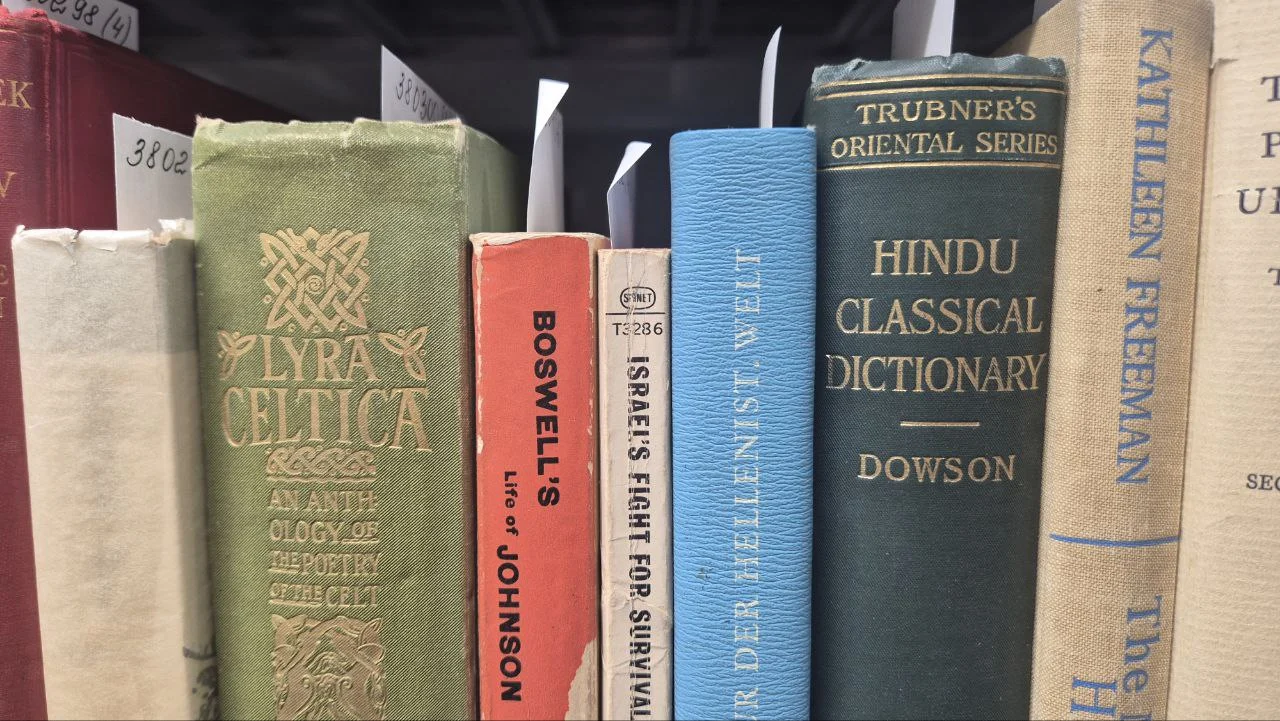
“Books from Stanisław Vincenz’s shelf contain many unexplored facts, intellectual connections and thoughts of the Polish writer and philosopher. It is important that this collection is part of the public cultural heritage. Such books should be stored in the scientific library. There they will be able to explore them, open new pages of the history of European humanitarian thought, after all, the hitherto unknown secrets of the history of culture. All those willing will have the opportunity to touch the history of intellectuals through books from past centuries,” says Larysa Kniazhytska, a member of the supervisory board of the All-Ukrainian Democratic Forum NGO.
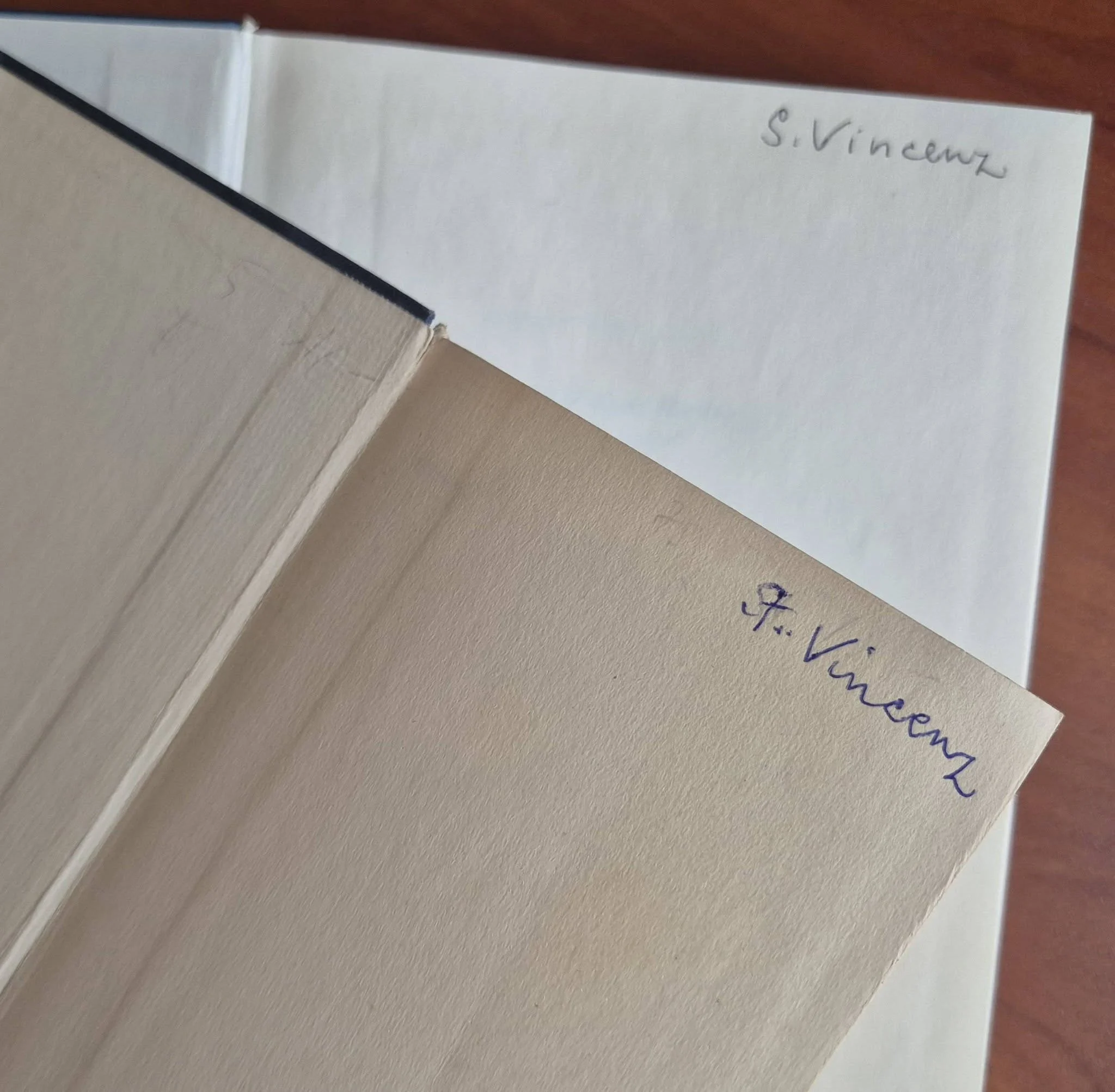
About Stanisław Vincenz: Polish writer, philosopher, essayist and cultural expert was born on November 30, 1888 in the village of Sloboda-Runguska, Kolomiysky district, Ivano-Frankivsk region. Stanislav studied at gymnasiums in Kolomyia and Stryi. Subsequently, he studied law, biology, psychology, philosophy, Sanskrit at the universities of Lviv and Vienna, and knew 14 languages. Although Stanisław Vincenz spent a large part of his life in exile – in Hungary, France, Switzerland. The main work of his life is the four-volume edition about the Hutsul region “On the High Uplands”, the author began writing in 1930 and worked on it for four decades. The publication became a cultural collection that combined: songs, customs, legends, prayers, parables.
Parliament adopted a resolution on strengthening the Ukrainian language’s role in consolidating Ukrainian statehood
On Thursday, January 15, 2026, the Verkhovna Rada of Ukraine adopted in its entirety draft resolution No. 14334 “On strengthening the role of the Ukrainian language in the establishment of the Ukrainian state.” This is an important decision that will improve Ukrainian legislative terminology and introduce a modern variant of Ukrainian spelling. Finally, let’s get rid of clericalisms and Russianisms in the legal language. We will continue to actively develop the Ukrainian-speaking environment in all spheres.
“The protection and development of the Ukrainian language remain among the primary tasks of all branches of government in Ukraine, the object of attention and care of civil society,” the document says.
Almost seven years ago, in July 2019, the Law of Ukraine “On Ensuring the Functioning of the Ukrainian Language as a State Language” entered into force. The team of the NGO “All-Ukrainian Democratic Forum” was actively involved in the action. We organized a concert and the main stage of the action in Lviv. In total, concerts and events were held in 30 Ukrainian cities. Artists, intellectuals, public figures took the stage, supported the Law on Language and emphasized its importance and historical significance.
A year of responsible partnership, trust and joint actions
Trust, partnership and shared responsibility became the main values of our year. Together with international friends and Ukrainian communities, the All-Ukrainian Democratic Forum NGO team worked for education, freedom of speech and preservation of cultural memory.
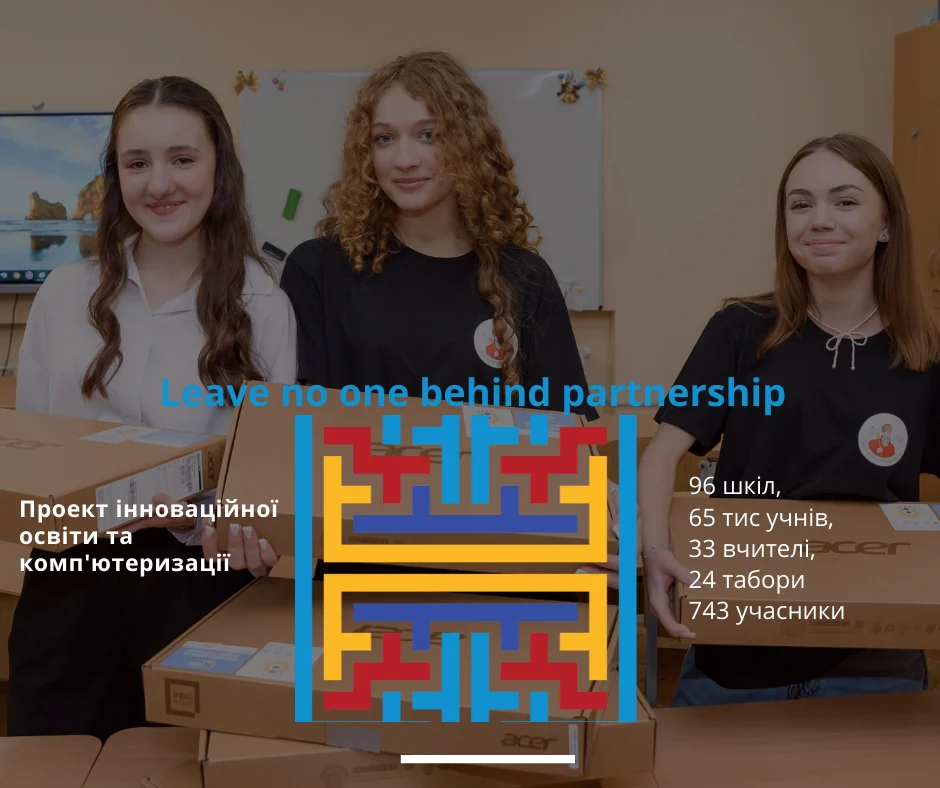
We were supported by the people of Taiwan. A technologically advanced, democratic state provided charitable assistance for the development of Ukrainian education. We jointly implemented the project of computerization and innovative education “Leave no one behind partnership”
96 schools from Lviv, Ivano-Frankivsk, and Poltava regions received new equipment for computer science classrooms and robotics laboratories. 33 computer science teachers advanced their qualifications in STEM teaching, Python programming, and robotics. High school students from 72 schools gained practical experience in teamwork, startup development and business negotiations.
Together with the editors of the Ukrainian mass media, we learned to counter propaganda and develop the community of modern media. We are grateful for the cooperation of Fundacja Geremka, Fundacja Liderzy Przemian and the Polish-American Freedom Foundation.
Editors of national and regional Ukrainian media visited the Republic of Poland, visited the editorial offices of leading Polish media, talked with European diplomats and experts in order to strengthen professional ties and discuss common challenges in the field of information security.
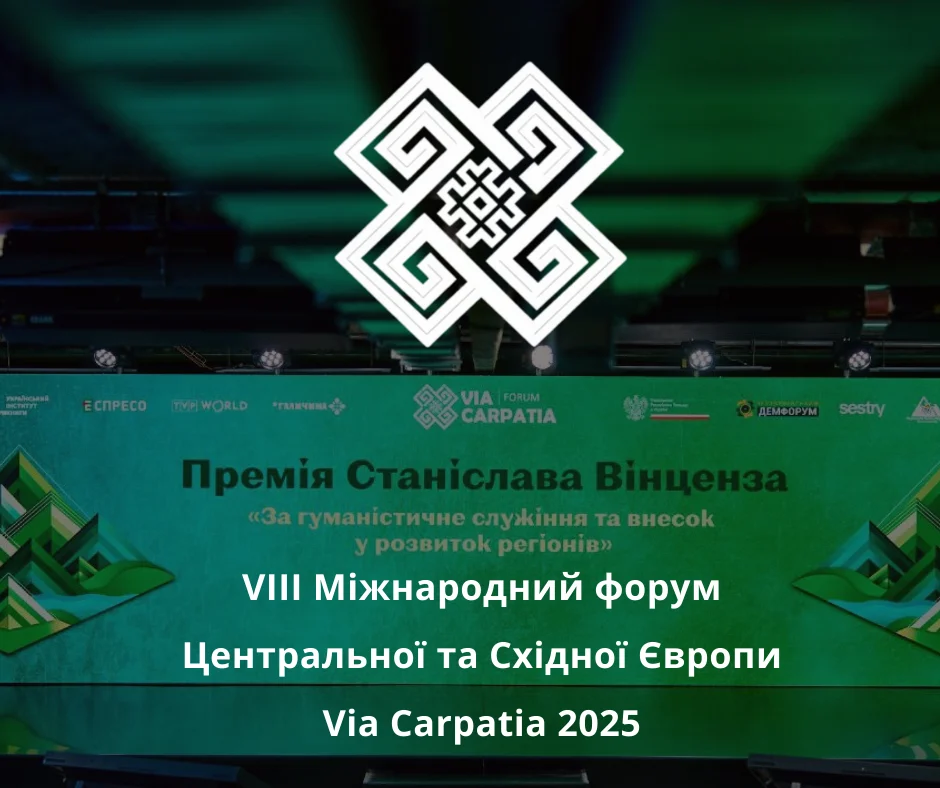
Forum Via Carpatia 2025 was held in Lviv – this year we held it in a circle of friends. We are glad that the Vincenz Circle is expanding, and interest in the history of the Carpathian region and its identity is growing.
We will continue to talk about the legacy of the outstanding thinker and humanist Stanisław Vincenz, who opened the Hutsul region to the world, made it recognizable and showed the depth of the ancient and extremely rich Hutsul culture. This is the heritage of Ukraine, our land and our past, which is worth knowing, exploring and appreciating.
We continue to recognize the contribution of our contemporaries to humanistic service and regional development and talk about such great people. This year, Professor Ola Hnatiuk became the laureate of the Stanisław Vincenz Prize.
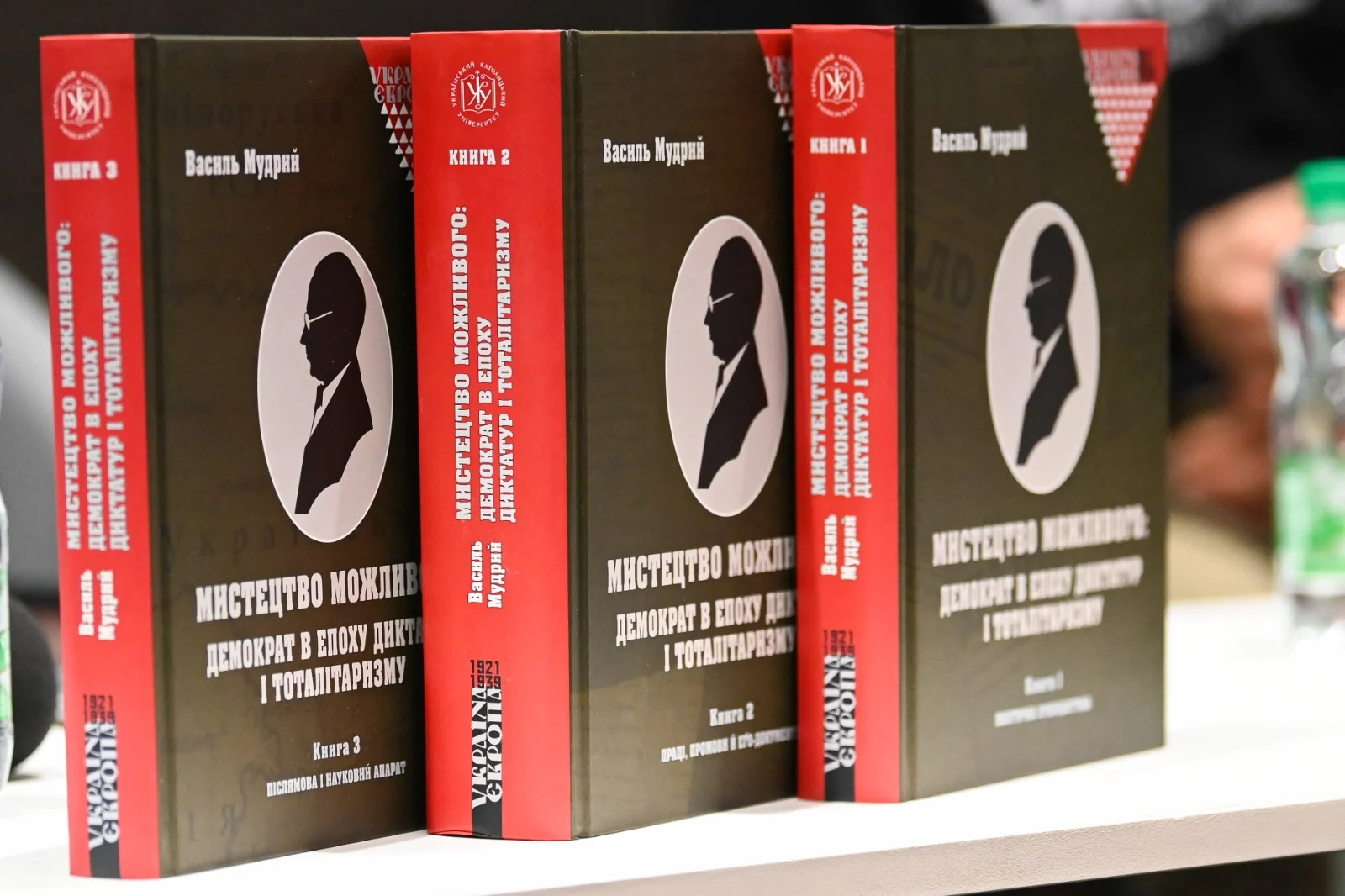
Within the framework of Via Carpatia 2025, we presented a unique edition of the heritage of the outstanding Ukrainian Vasyl Mudry, who created politics in the interwar period of the last century and for whom the values of democracy were important then.
We enter the New Year with new plans and ideas. We are preparing the following projects.
The team of the All-Ukrainian Democratic Forum is open to cooperation, partnerships and interaction.
Thank you all for this year.
We wish goodness, inspiration, endurance and strength.
Let’s take care of each other.
Merry Christmas!
At Christmas time, we wish for peace in the hearts, strength in daily affairs and faith in the future. Let the light of the Christmas star unite, add hope and remind us of the values that bring us together – humanity, dignity and responsibility for each other.
Christmas is faith and inspiration, family memory and the power of traditions. Ethnographer, writer, philosopher Stanisław Vincenz saw and felt Christmas in the Hutsul Region exactly like this, filled with sounds of trembita, carols and a sense of deep peace. We are quoting a fragment from the work “On the High Uplands” Book 1 “Truth of the Ancients” – Part One “By the Voice of Trembling”
“Trembita calls out for festive celebrations: on Christmas Day, on Holy Vespers, and during the All-nighter, she loudly resounds through the mountains from house to house, her voice flies through the inaccessible and snowy lonely forests. She follows the carolers, who with light and music go down narrow, steep paths. The mountains and forests are sleeping, comfortably asleep in the snow, and the voices of violins shrilly writhing in the middle of the night.
Christmas carol strengthens this peace of winter sleep and strengthens the feeling of blissful security.
On Christmas Eve, it is as if you are lying on the bosom of God. Time stopped. The world and God are so kind that even Archijuda, the leader of the devils, is let down from the chain by the Archangel so that he can make amends. And people are not afraid of him then, moreover, the carol protects the village from his power.”
Stanisław Vincenz (1936).
May every home, every family feel warmth, unity and hope.
Merry Christmas!
Via Carpatia 2025
Joint institution for information security, EU enlargement, true history as a weapon against propaganda: the most interesting theses of the Forum Via Carpatia 2025
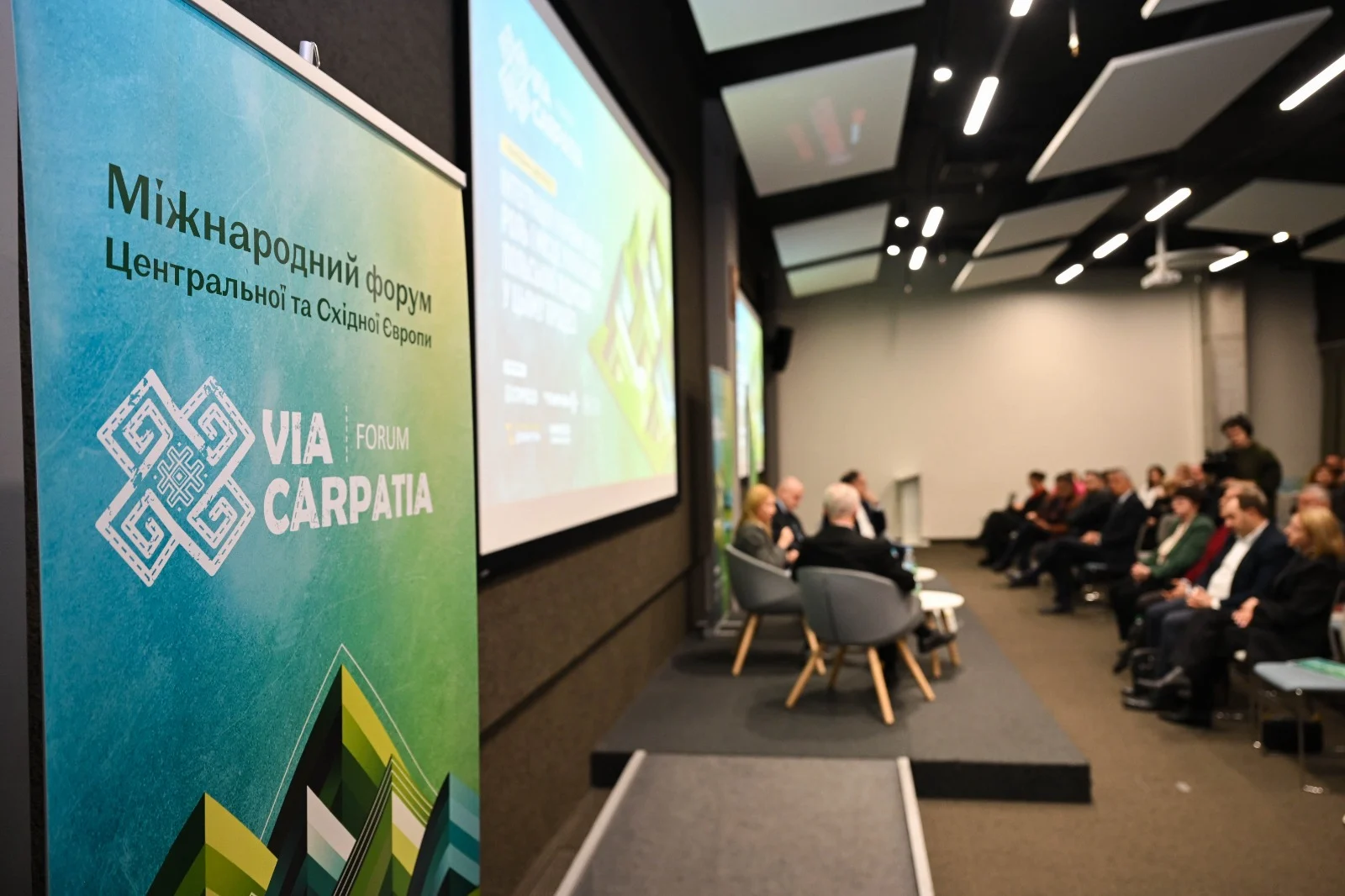
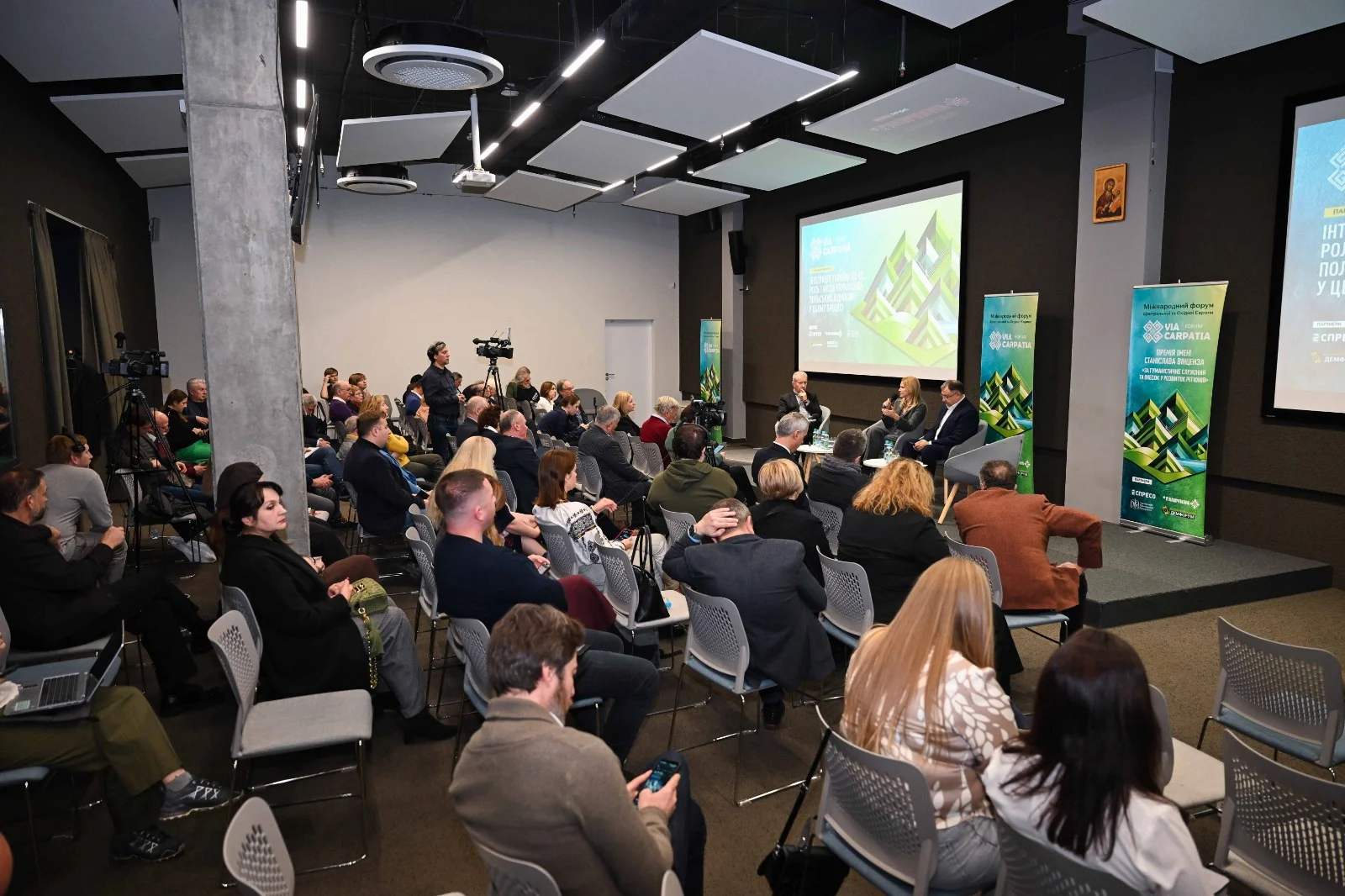
The eighth international forum of Eastern and Central Europe Via Carpatia 2025 was held on November 28 in Lviv. In the focus of the discussions: memory that heals, partnership as a factor of European stability, and democracy as a response to modern authoritarian threats.
The head of the cultural policy subcommittee of the VRU Committee on Humanitarian and Information Policy, People’s Deputy of Ukraine, initiator of the Forum Mykola Kniazhytskyi noted: “We are holding the forum in one of the most difficult times for our present and future… Russia started and continues the war against Ukraine in order to rewrite history to restore its empire. Moscow’s goal is to erase the consequences of the collapse of the USSR and return Europe to the 1930s, when the world was ruled by force, in particular totalitarian regimes. Our goal is for Ukraine to become a full member of the EU, despite all attempts to prevent it.”
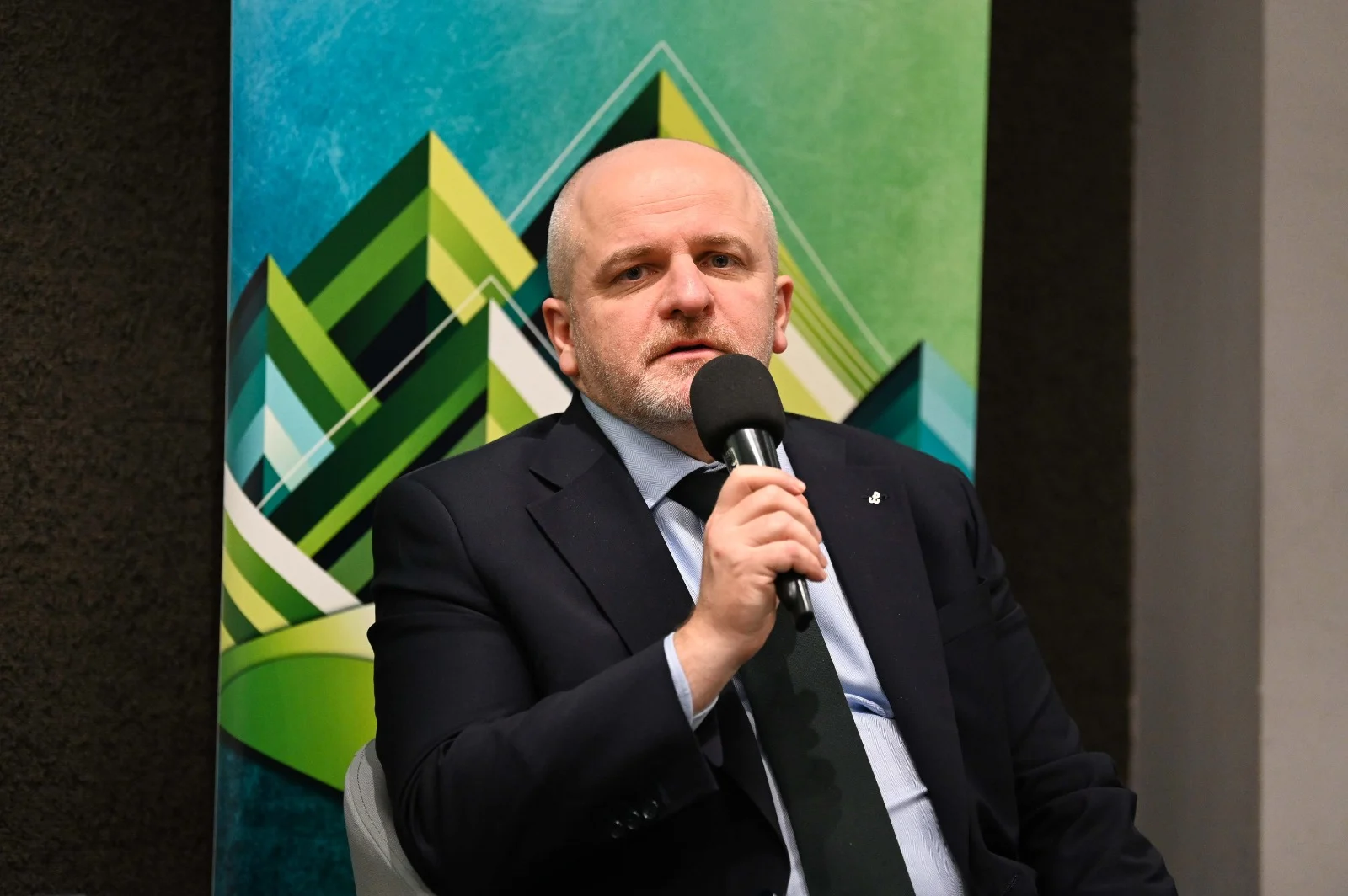
Pawel Kowal, Chairman of the Committee on Foreign Affairs of the Sejm of the Republic of Poland, the representative of the Polish government on the restoration of Ukraine, emphasized: “It is in Poland’s interests to expand the EU. There are various reasons for this – both strategic and security. We need to demonstrate the political will to build a common Europe so that Ukraine joins the EU as soon as possible. And we should not assume that Russia blocks the expansion of the EU and NATO.”
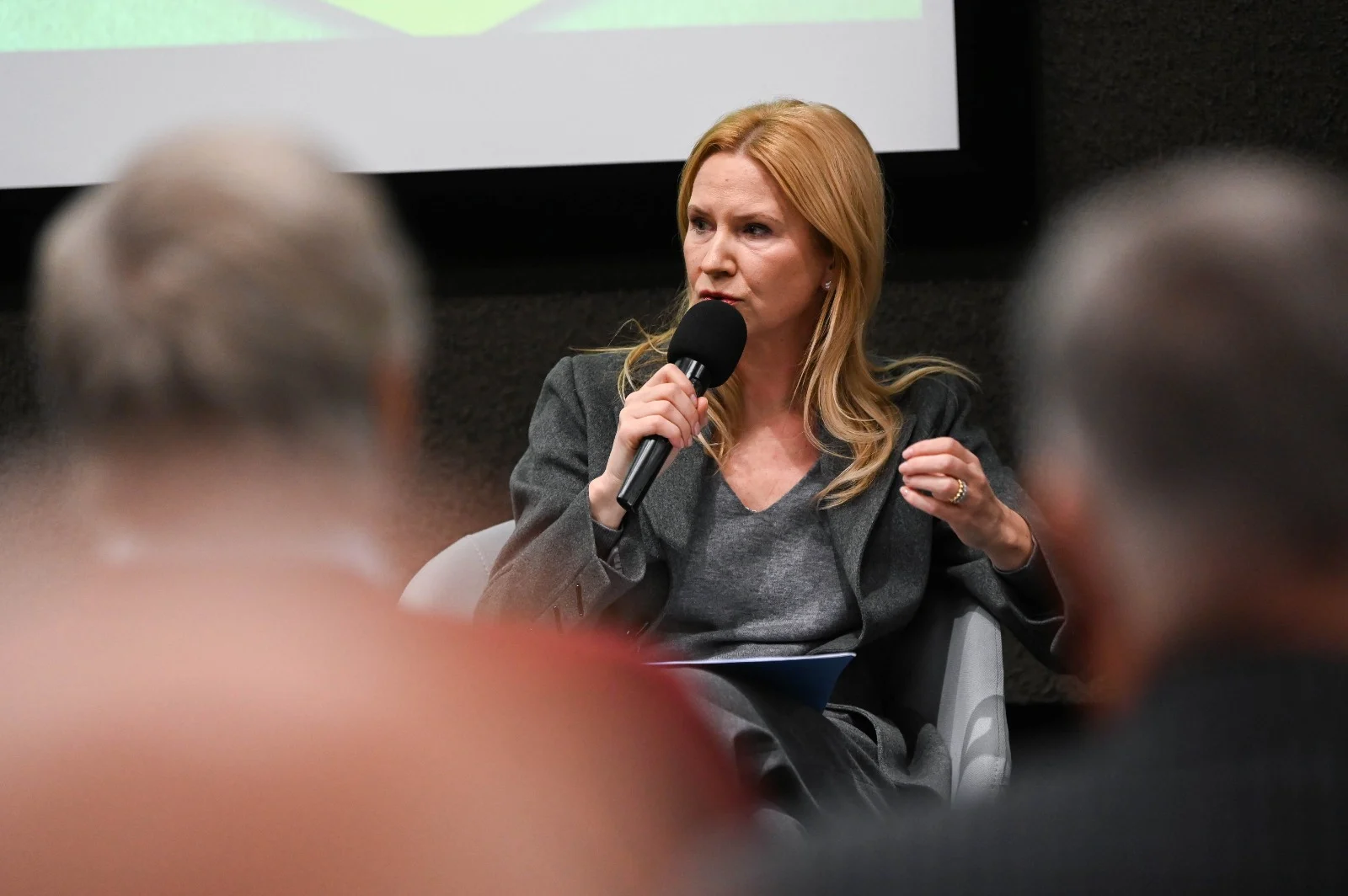
Olena Kondratyuk, Deputy Speaker of the Verkhovna Rada of Ukraine of the 9th convocation, emphasized: “Ukraine teaches Europeans to be brave. They take Ukraine as an example in this regard.”
She noted that Poland was, is and will be a strategic partner of Ukraine. She also cited data from sociological studies on the attitude of Poles to Ukraine’s accession to the EU: 70% of Poles support the expansion of the European Union, more than 52% support the accession of Ukraine and Moldova. “The key thing is to preserve and strengthen the positive dynamics. Polish society sees in the expansion of the EU not only a valuable, but also a security and economic dimension,” Olena Kondratiuk noted. As for the current convocation of the Ukrainian parliament, it is important that everything is done correctly, and it is very important that the deputies ensure the adaptation of Ukrainian legislation to European legislation, so that we can fulfill all the cluster requirements.”
“For Russians, the Polish-Ukrainian conflict is “political gold”. Poland is under a lot of pressure from Russia: espionage actions, sabotage, incidents at the border, studying the response to drone attacks… Unfortunately, many Polish politicians are involved in repeating the obvious disinformation of the Russians. Anti-Ukrainian stereotypes were still being built by the communists. Now the Russians are using the latest technologies. We need a joint institution in the field of information security, which would study propaganda technologically: this is not only a political decision,” said the Chairman of the Committee on Foreign Affairs of the Sejm of the Republic of Poland Pawel Kowal.
Mykola Kniazycki expressed his confidence that the majority of the Polish political class will not allow anti-Ukrainian speeches, and that the Polish government realizes how important Ukrainian-Polish cooperation is for common security,” Mykola Kniazycki summarized.
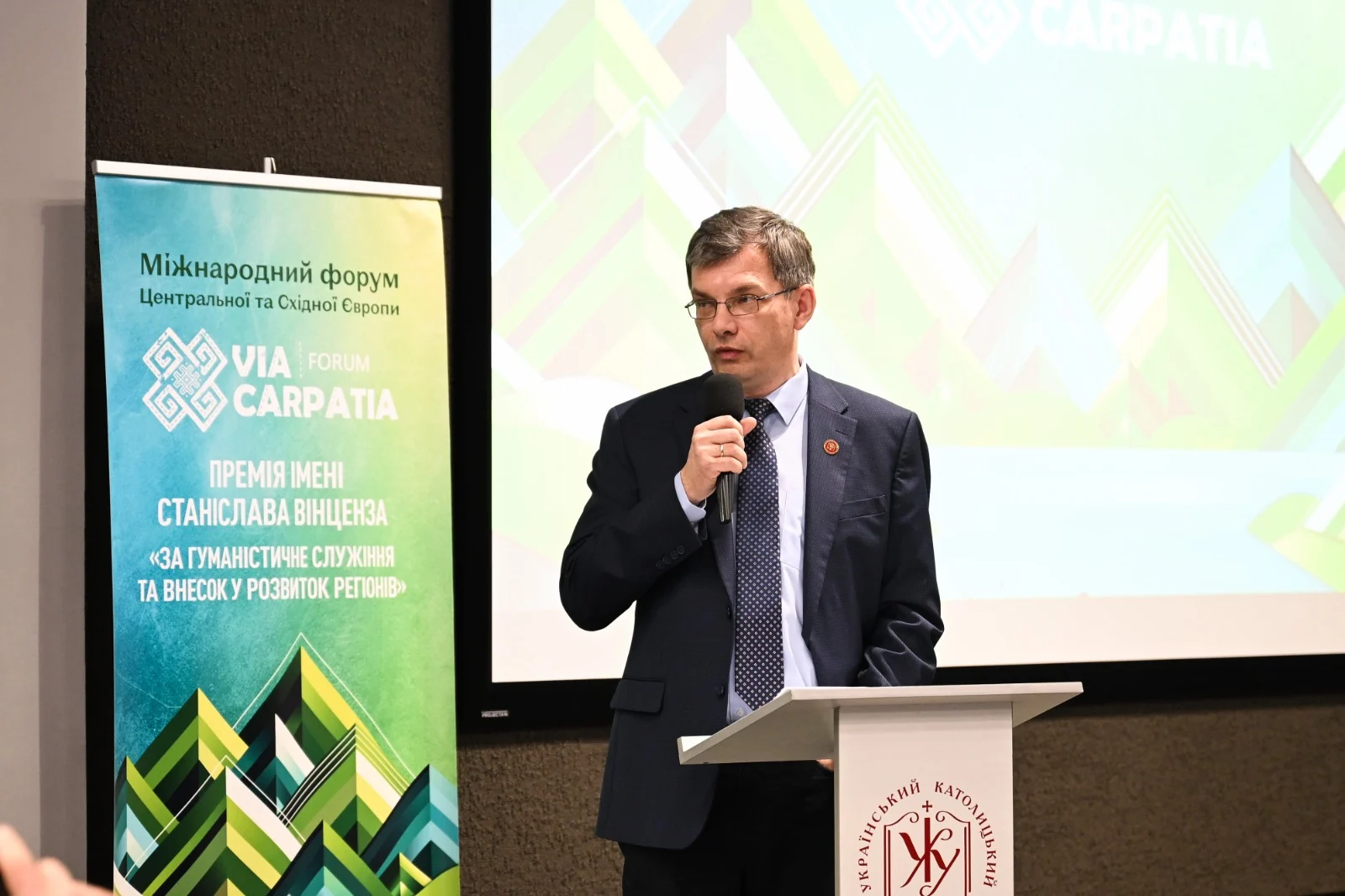
Taras Dobko, rector of the Ukrainian Catholic University, noted: “For years, the history of Ukraine’s membership in Europe has served as an alternative to Russian influence, a basis for our integration into the wider European space. If our relations are friendly, imperial Russia has no chance.”
Via Carpatia 2025 presented a unique trilogy “Vasyl Mudryi. The Art of the Possible: A Democrat in the Era of Dictatorships and Totalitarianism” edited by professor and historian Ola Hnatiuk.
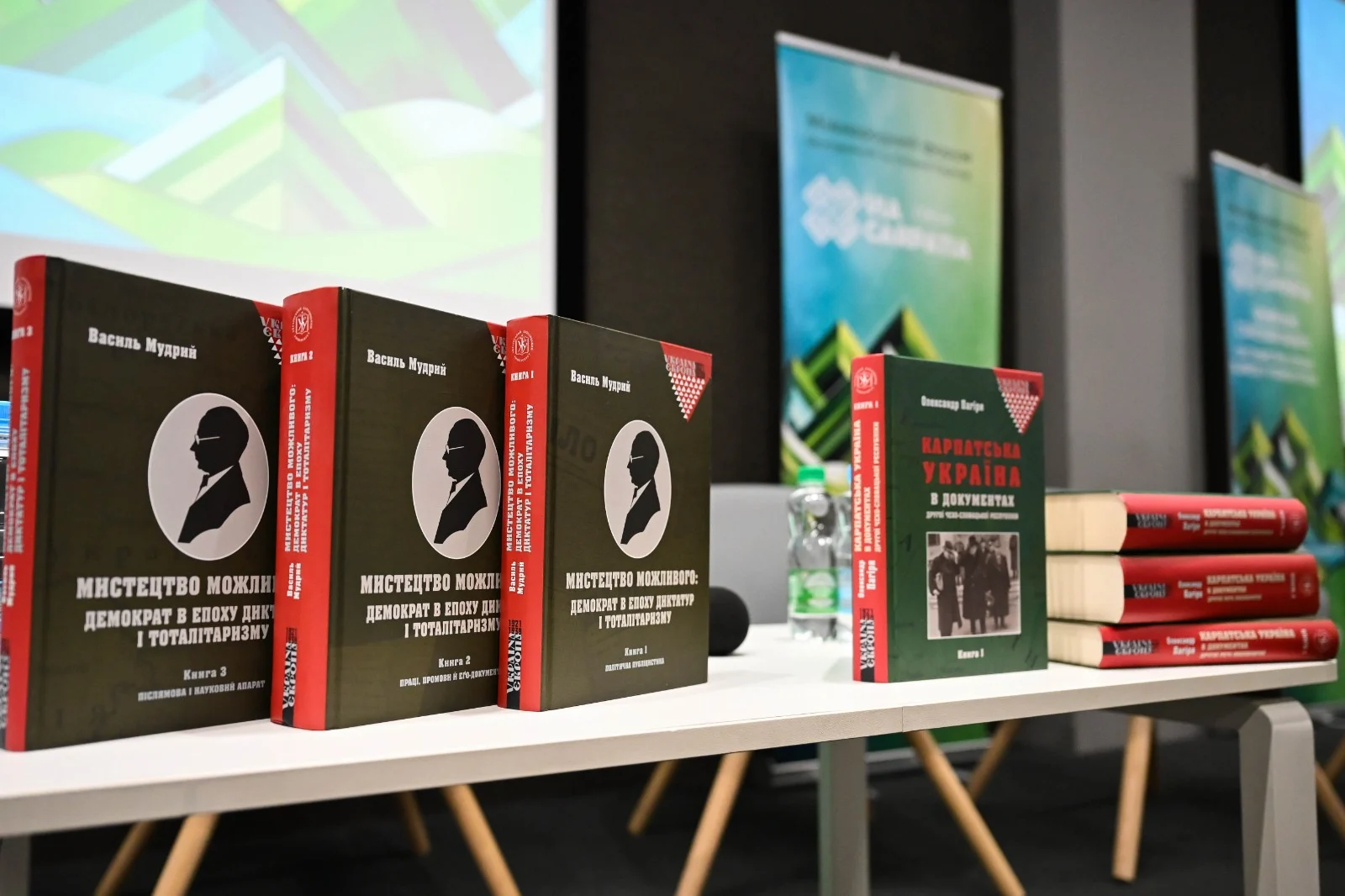
The publication describes the era of the interwar period of the 20th century through the biographical history of the prominent Ukrainian Vasyl Mudry, deputy and vice-speaker of the Polish Diet in the 1930s, editor-in-chief of the Dilo newspaper.
Vasyl Mudryi was an opponent of the trend of “Sovietization” of Galicia and understood all the dangers of the Soviet regime for Ukrainians. It is significant that the NKVD started two forms on Vasyl Mudry at once – in the 1930s and after the war.
The participants of the presentation emphasized that Vasyl Mudryi and UNDO did not have any pro-German position, but on the contrary, focused on the democratic countries of Europe, such as Great Britain (instead, Soviet historiography emphasized the pro-German orientation of Ukrainian organizations, which is not true). In this sense, publishing the trilogy is a “weapon” against false historical statements and Russian propaganda.
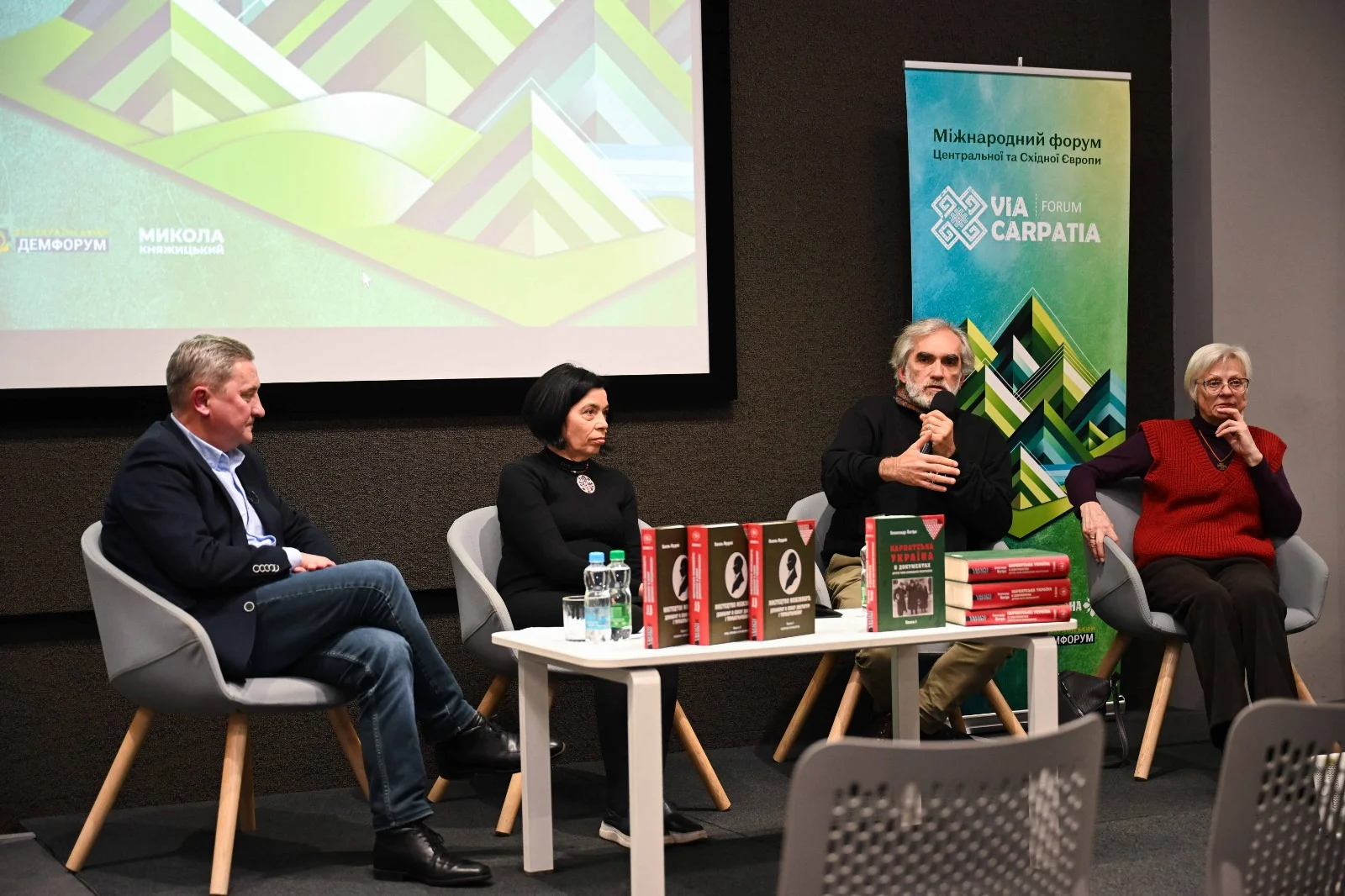
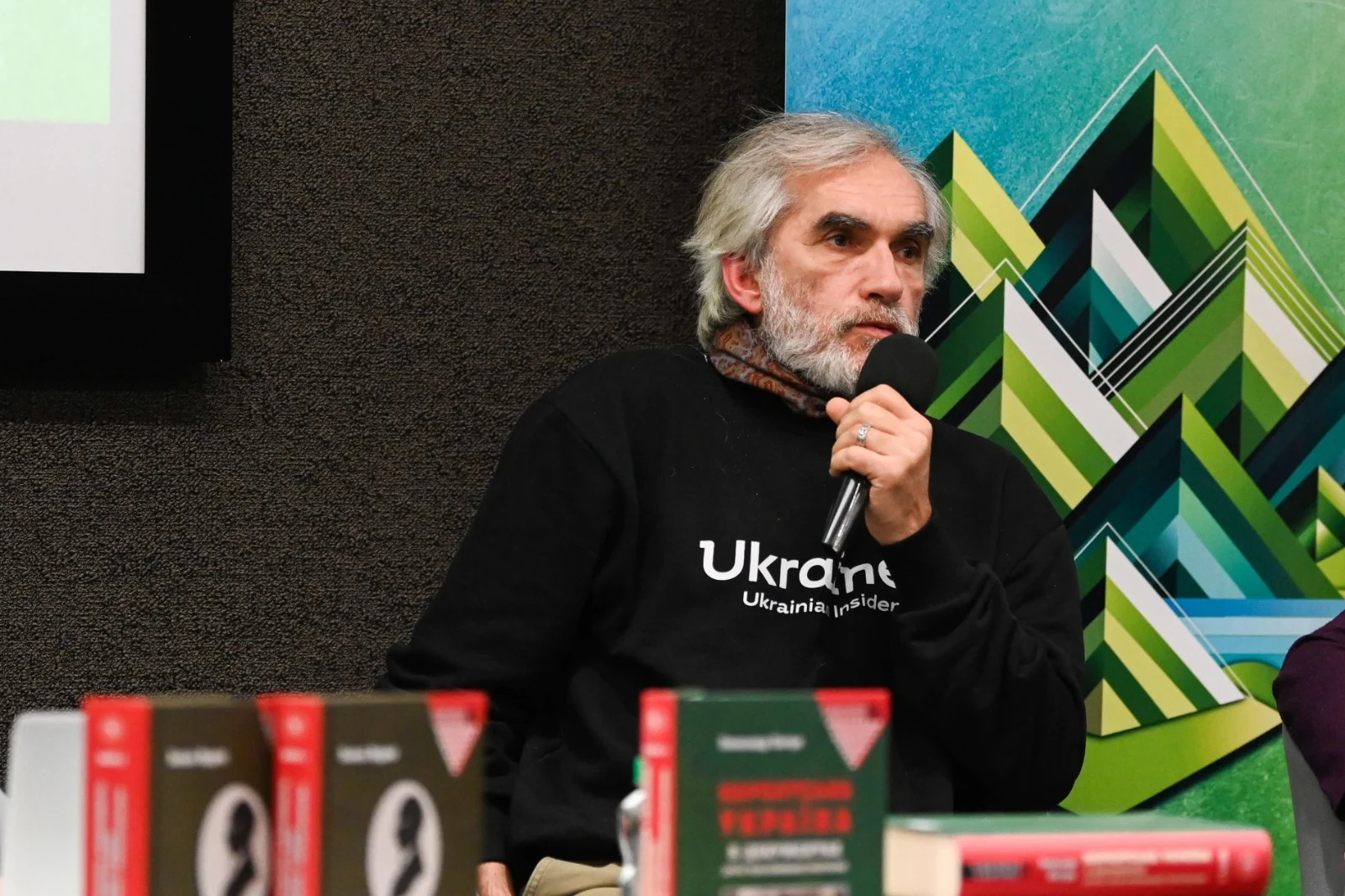
“The study of such figures as Vasyl Mudry is important today, because Russia’s war against Ukraine is directly related to an attempt to return us to a distorted past. We show what history really was,” commented Myroslav Cech, a Polish public figure and journalist of Ukrainian origin.
“Ukraine was lucky with two Wise Men – Yaroslav and Vasyl. Now we need a third… And if we are talking about modernity, Polish-Ukrainian understanding did happen,” said the doctor of historical sciences, professor at UCU, director of the Institute of Historical Studies of Lviv State University named after Ivan Franko Yaroslav Hrytsak.
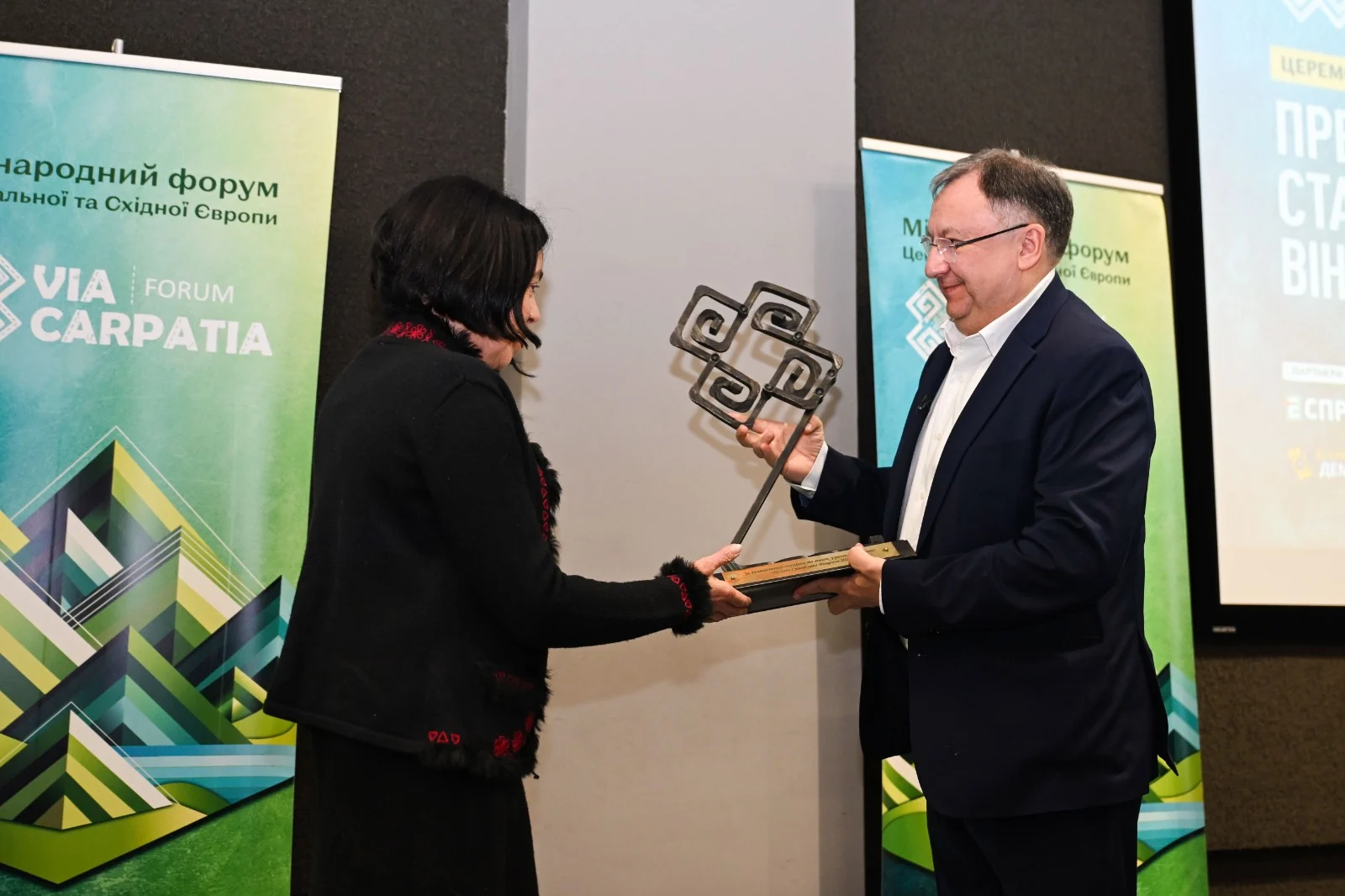
Traditionally, the forum ended with the announcement of the laureate and the presentation of the 2025 Stanisław Vincenz Prize. Ola Hnatiuk, professor-emeritus of the University of Warsaw, teacher of the National University “Kyiv-Mohyla Academy”, translator, historian, became the winner of the award “For humanitarian service and regional development”.
In her speech during the award ceremony, she noted that Vincenz is fascinating both as a writer and as a person: he saw the prototype of an ancient myth in a simple Hutsul legend, depth – in simple everyday life, and sought the most beautiful in everyday life.
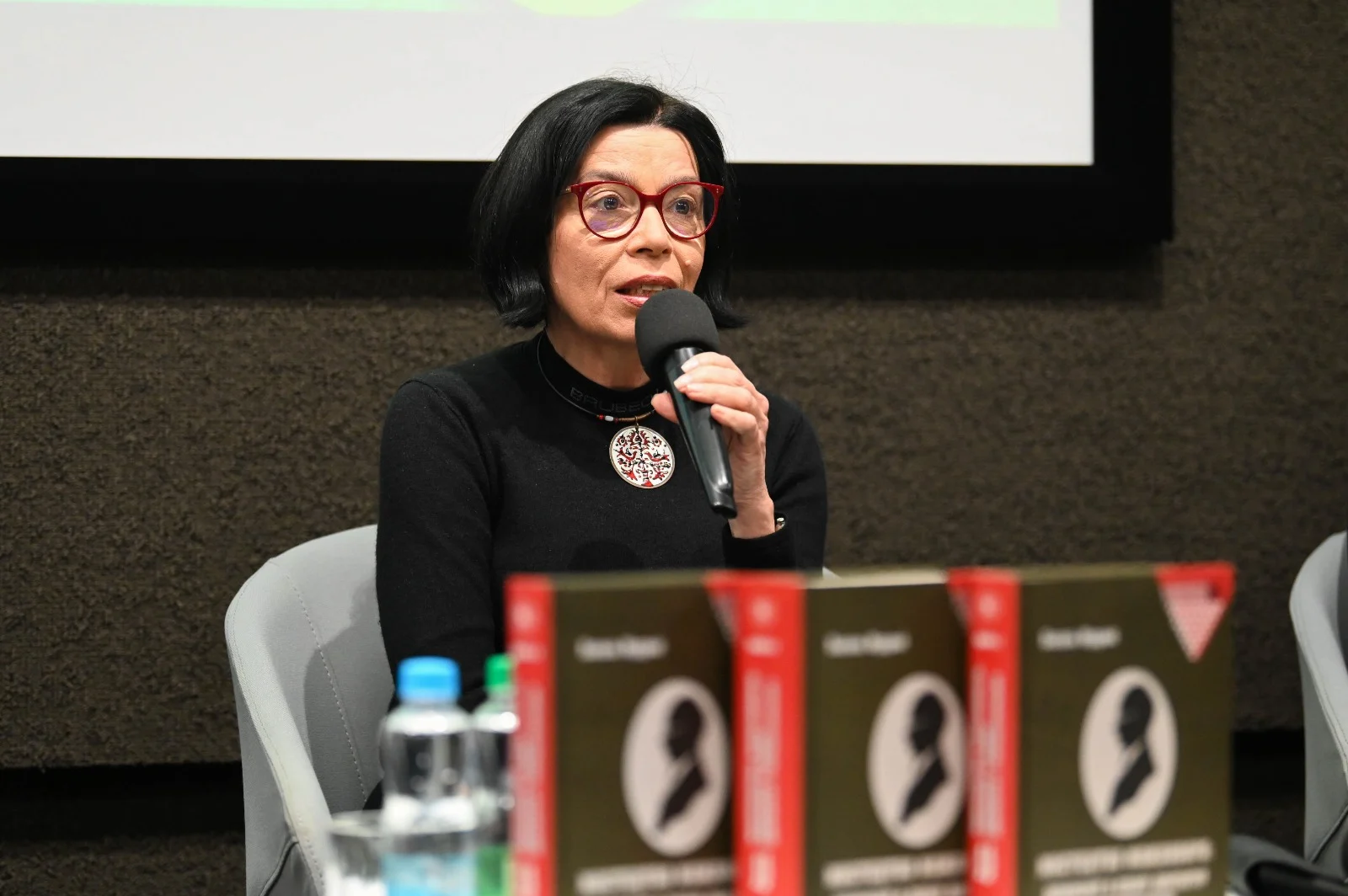
“No nation has a monopoly on historical truth. The attempt to impose its truth on the opponent is doomed to defeat. And the attempt to pass it off as dialogue takes us to Orwell’s 1984, to the world of enslaved mind and new language. Vincenz believed in the power of dialogue. And I believe that communities, societies and the international community are unthinkable without dialogue,” Ola Hnatiuk summarized.
Ola Hnatiuk, a Polish scholar of Ukrainian origin, received the Stanisław Vincenz Prize
The Via Carpatia Forum traditionally ended with the awarding ceremony of the Stanisław Vincenz Prize “For Humanistic Service and a Contribution to Regional Development”. On November 28, the chapter announced the laureate of the 2025 Stanisław Vincenz Prize. The laureate was Ola Hnatiuk – professor emerita of the University of Warsaw, lecturer at the National University “Kyiv-Mohyla Academy”, translator, historian.
Ola Hnatiuk edited dozens of books, translates modern Ukrainian literature, is the author of unique scientific publications: “Courage and Fear” (2015 in Polish and Ukrainian), “Between Literature and Politics. Essays and Interludes” (2012), “Polish-Ukrainian Dialogue: KULTURA magazine and its legacy. To the centenary of Jerzy Gedroyc” (2007), “Farewell to empire. Ukrainian discussions about identity” (2003), “Ukrainian baroque religious song” (1994), “Generation rebellion. Conversations with Ukrainian intellectuals”.
She is also the scientific editor of the publishing series “Ukraine-Europe-1921-1939” – a scientific publication of unknown and little-known documents stored in Ukraine and abroad; of the three-volume edition “The Legacy of Vasyl Mudryi” – a Ukrainian public figure, politician, journalist, vice-marshal of the Polish Sejm, vice-president of the UGWR.
The Stanisław Vincenz Prize for “Humanistic Service and Contribution to the Development of Regions” was launched in 2018. This is a tribute to the memory of the leading scientist and writer Stanisław Vincenz, as well as recognition of the contribution of our contemporaries to culture, science, social life, or the advocacy and protection of human rights.
Individuals who affirm the values of democracy and human dignity, strengthen international cooperation, regional development, and mutual aid become candidates for the award every year.
The first laureate, in 2018, was the founding member of the Ukrainian Helsinki Group, the organizer of the amnesty movement in Ukraine, the vice-rector of the Ukrainian Catholic University, Myroslav Marynovych.
The award was also given to:
2019 – Ivan Malkovych, poet and publisher
2020 – Leonid Finberg, cultural researcher, director of the Center for Research in the History and Culture of Eastern European Jewry, editor-in-chief of the “Spirit and Litera” publishing house
2021 – Petro Rykhlo, literary critic, essayist, translator and member of the Ukrainian PEN
2022 – Yuliia Paievska “Taira”
2023 – Yosyf Zisels, public figure and dissident of Jewish origin
2024 – Rostyslav Derzhypilskyi, director, actor, People’s Artist of Ukraine, general director — artistic director of the Ivano-Frankivsk National Drama Theater.
A Polish-Ukrainian institution is needed to counter Russian disinformation, says Polish Sejm member Paweł Kowal
Discord between Poles and Ukrainians is “political gold” for the Russians, it must be taken from them
Pavlo Koval, the head of the commission for international affairs of the Seimas of the Republic of Poland, stated this during the discussion “Integration of Ukraine into the EU. The role and place of Ukrainian-Polish relations in this process” at the Via Carpatia 2025 Forum.
“For Russians, the Polish-Ukrainian conflict is ‘political gold’. Poland is under a lot of pressure from Russia: espionage actions, sabotage, cases at the border, studying the reaction to drone attacks… Unfortunately, many Polish politicians take part in repeating the obvious disinformation of the Russians,” he noted.
The Polish politician noted that not everyone takes this problem seriously: in the heads of both politicians and opinion leaders, there must be a breakdown.
“Anti-Ukrainian stereotypes were built by the communists. Now the Russians use the latest technologies. We need a joint institution in the field of information security that would study propaganda technologically: this is not only a political decision. We must seriously interpret the necessity of its creation, and take away the “political gold” that the Russians receive from our discord,” he noted.
The biggest threat now is Russian disinformation. It is aimed at undermining trust and discord between Ukrainians and Poles, said Olena Kondratyuk, Deputy Speaker of the Verkhovna Rada, at the Via Carpatia 2025 Forum.
A Democrat in the Era of Totalitarianism: How research on Vasyl Mudry disproves historical myths
The Via Carpatia 2025 forum opened with the presentation of the documentary trilogy “The Art of the Possible: A Democrat in the Era of Dictatorships and Totalitarianism”
A large-scale edition dedicated to the figure of the outstanding Ukrainian Vasyl Mudry (1893–1966), who is one of the key figures of the Ukrainian political and public life of the interwar period. He was a deputy and vice-speaker of the Polish Diet, editor-in-chief of the newspaper “Dilo” and co-founder and chairman of UNDO.
The trilogy reveals his legacy in three areas of public activity – journalistic, political and public. The publication logically combines hundreds of journalistic materials, program documents, speeches, memories, photos and research comments.
This is the tenth book in the series “Ukraine. Europe: 1921–1939”, prepared under the scientific editorship of Ola Hnatiuk and published by the UCU publishing house.
The organizer of the trilogy, Ola Hnatiuk, said that she started studying the life and activities of Vasyl Mudry 21 years ago. Materials for the trilogy were collected in the archives of Ukraine, Poland, Austria, Great Britain, Canada, and the USA.
“Such books are a fascinating detective story that lasts 21 years. Archival work allows you to see the events of 80-100 years ago from a new perspective, to look at the political events that took place at that time in a different way, to rethink Ukrainian-Polish relations and the role of Ukrainian organizations,” she said.
Vasyl Mudryi was an opponent of the trend of “Sovietization” of Galicia and understood all the dangers of the Soviet regime for Ukrainians. It is significant that the NKVD started two forms on Vasyl Mudry at once – in the 1930s and after the war: they were also found in the archives.
Historian Yaroslav Hrytsak commented not only on the activities of Vasyl Mudryi, but also on the context of Polish-Ukrainian relations during this period.
“What the Poles did to the Ukrainians in the interwar period is stupidity. Instead of bringing them closer and having an ally in the fight against the Soviet regime, everything was done to distance the Ukrainians as far as possible,” Yaroslav Hrytsak noted, reflecting on the political events of the 1930s.
He also noted that Pilsudski was in favor of a Ukrainian-Polish federation, but most of the state apparatus came from the opponent’s camp, Dmowski. “And this is the devil of Polish politics. If we are talking about modernity, Polish-Ukrainian understanding did happen, but if Dmovskyi’s ghost appears in Polish politics, it is a threatening phenomenon,” Hrytsak said.
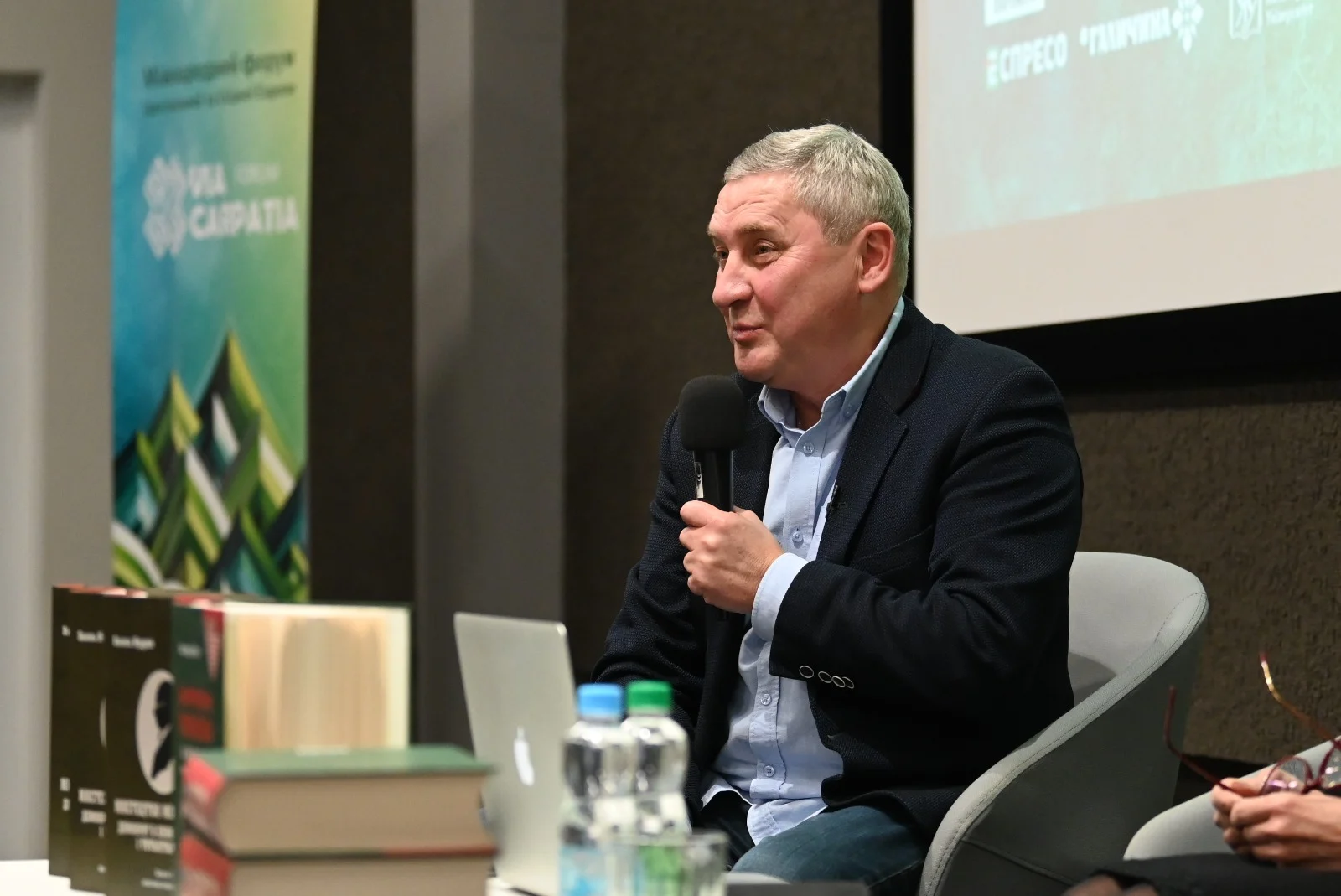
The participants of the presentation emphasized that Vasyl Mudryi and UNDO did not have any pro-German position, but on the contrary, focused on the democratic countries of Europe, such as Great Britain (instead, Soviet historiography emphasized the pro-German orientation of Ukrainian organizations, which is not true). In this sense, publishing the trilogy is a “weapon” against false historical statements and Russian propaganda. And also a reminder that the historical defeats of Poland are connected with the underestimation of the Ukrainian factor.
“The presentation of the three-volume “Legacy of Vasyl Mudryi” is an attempt to bring back the memory of one of the key figures of Ukrainian political and public life of the interwar period. Through his texts, we show the broader context of the history of Ukrainians in the Polish state: from work in parliament and journalism to Galicia’s response to the Holodomor in Soviet Ukraine,” commented Myroslav Cheh, Polish public figure, journalist of Ukrainian origin.
“The study of such figures as Vasyl Mudryi is important today, because Russia’s war against Ukraine is directly related to the attempt to return us to a distorted past. We show what history really was, and how Moscow tried to influence Ukrainian life for centuries – the forms change, but the essence of Russian policy remains the same,” he summarized.