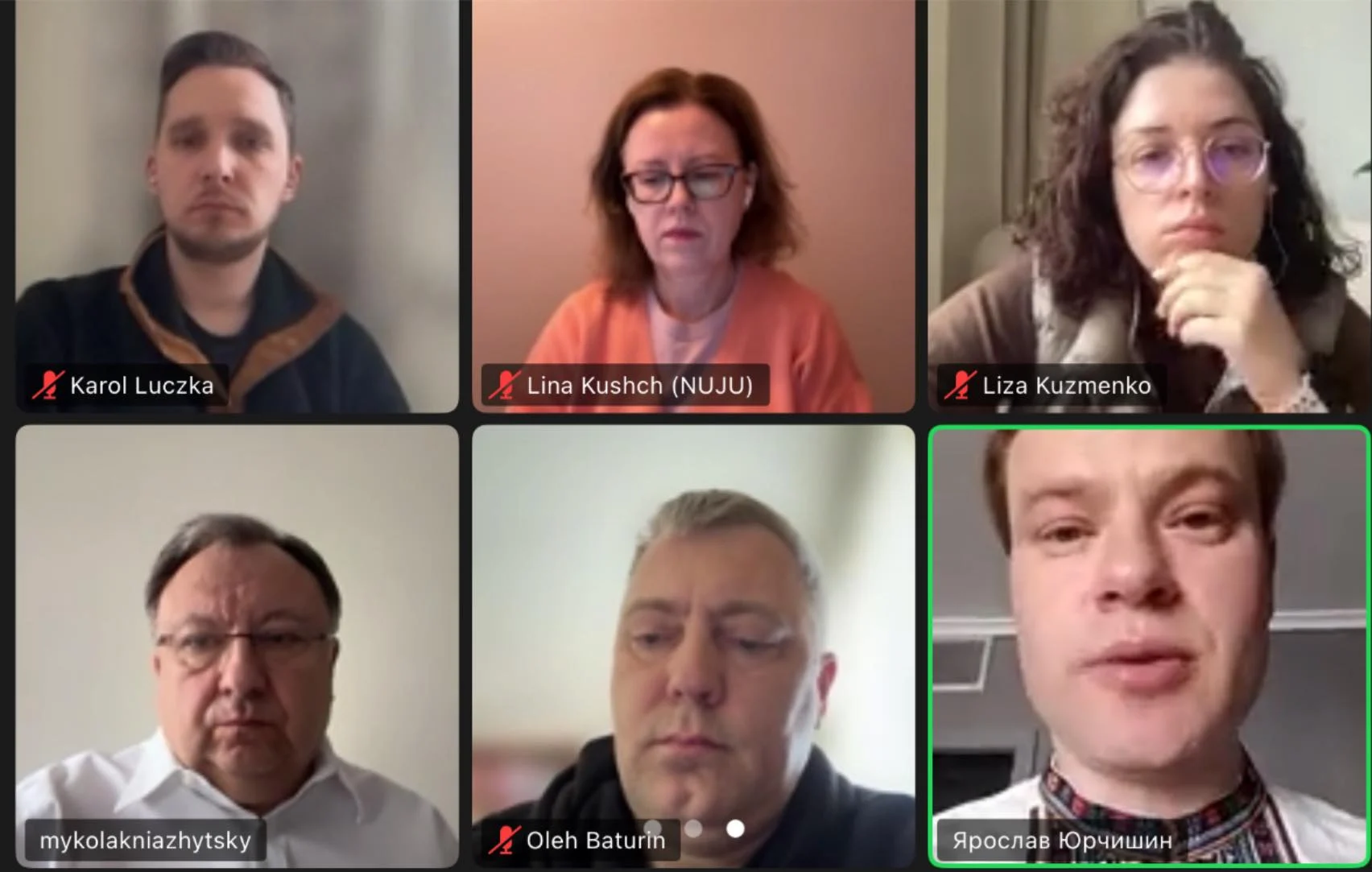
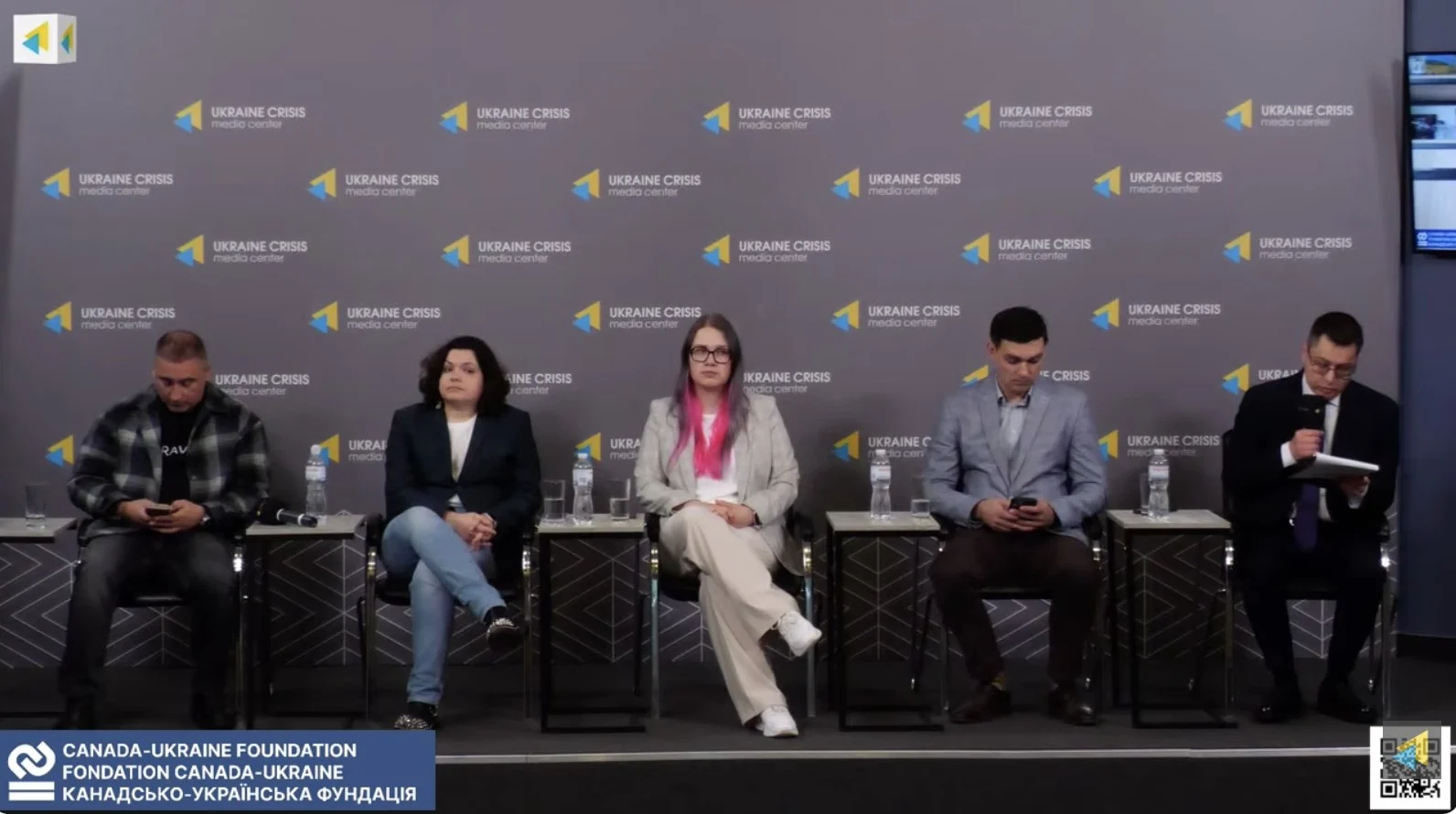
The Telegram platform remains an environment in which disinformation about Ukraine spreads, and enemy special services recruit our fellow citizens there. This was discussed by the participants of the discussion “Telegram in Ukraine: you can’t ban it, you can’t regulate it”, which took place in the Ukrainian Media Center. Experts, parliamentarians and specialists in information security outlined the role of the state in regulating the activities of Telegram, urgent legislative decisions and effective tools for countering disinformation.
“Telegram’s ownership is not transparent for Ukrainian society. It was founded by Russians, it was subsidized by Russian corporations, and the fact that this network is in the phones of Ukrainians is a certain threat. In a situation where there is an ongoing war, it would be strange not to protect oneself informationally,” said People’s Deputy of Ukraine, Chairman of the Subcommittee on Cultural Policy of the Committee of the Verkhovna Rada of Ukraine on Humanitarian and Information Policy Mykola Kniazhytskyi. He is a co-author of Draft Law No. 11115, which provides for the regulation of Telegram and similar platforms. The document was submitted to the parliament two years ago.
On March 25 of this year, the specialized committee of the Verkhovna Rada supported the draft law on the regulation of Telegram activities in Ukraine. It was taken as a basis in the first reading.
“We consider this draft law as the first step in involving the means of information transmission via the Internet into the dialogue, without naming Telegram directly, although it concerns this network in the first place,” Kniazhytskyi emphasized.
According to him, Telegram is actually a monopolist in the Ukrainian information space. About 80% of Ukrainians receive information from it, while in other countries – from 5% to 30%. However, the danger lies not only in Telegram, but also in other networks through which Russia not only exerts influence on society, but also can collect information about users.
“In the Meta network, we obviously know who the owners are. They cooperate with the Ukrainian state in the same way as the services of Google and YouTube. And they are partially regulated by the Law on Media in Ukraine as video streaming services. At that time, Telegram and some other networks were not regulated. Through anonymous channels, compromise and disinformation were carried out. They became “gateways” for Russian propaganda. We want to regulate this with this bill – it is necessary, because Ukraine is in a state of war,” explained the author of the draft law.
People’s Deputy of Ukraine, head of the Committee on Humanitarian and Information Policy Mykyta Poturaev drew attention to the fact that social platforms should contact Ukraine and comply with the requirements of national legislation regarding content.
“It is strange that we impose content requirements on the media, but not on social platforms. The adoption of the corresponding draft law encourages social platforms of various jurisdictions to enter into a normal, systematic dialogue with Ukraine. The state must show that it is rejected for dialogue, but has an arsenal and means that it can use if Ukraine is not heard,” Poturaev emphasized.
Telegram is a huge cyber threat. And creating a legal basis for regulating the platform is important for our security. Yuliya Dukach, head of OpenMinds disinformation research focused on this. She also noted that there is currently a shortage of specialists in cyber threats and cybersecurity in the country.
According to her, Telegram’s lack of rules, policies and moderation is an ideal space for disinformation. The second point is the lack of cyber security.
Yuliya Dukach explained that a messenger in which absolutely all your messages are not encrypted is a threat by default. It is not possible to create a group chat there so that it is encrypted. Access to contacts is not encrypted. There is evidence that some servers are still located in Russia.
“If the chat was created by a teacher or school, then all the photos of our children end up on the servers unencrypted. For example, there is an ongoing discussion with Europeans about how the Russians are poisoning artificial intelligence. On our scanned documents, on our photos, the Russians can create this AI. This data can become material for training AI models that will belong to Russia,” the expert warned.
Mykola Kniazhytskyi emphasized that it is not about banning Telegram, because currently there is no technical answer on how to do it quickly and effectively. Although there is a positive experience of banning Russian services “VKontakte” and “Odnoklassniki” by the NSDC: the ban of these services by the state prompted citizens to abandon them.
“We offer the state to declare its position. It should consist in the fact that these or other information transmission networks should be in contact with the Ukrainian state. If the state, through authorized bodies, will report that this or that information poses a threat to national security, contributes to the spread of pornography, violence, violates Ukrainian legislation, then such networks must respond and take it away. And for this, representatives of these networks must be authorized. The networks must inform about the method of their financing and their property. This is extremely important for us to know whether this network is a business or created for the purpose of manipulating the Ukrainian state,” he said.
Mykola Kniazhytskyi emphasized that it is first of all important to enter into a dialogue with representatives of networks and platforms. But, if they will not cooperate with the state, will not respond to appeals, it is proposed to fine them, or introduce sanctions against the founders.
Nikita Poturaev also supports the need for a sanctioning system and suggests recreating a system similar to the one in effect in the Media Law: warning-fine-blocking in case of non-response.